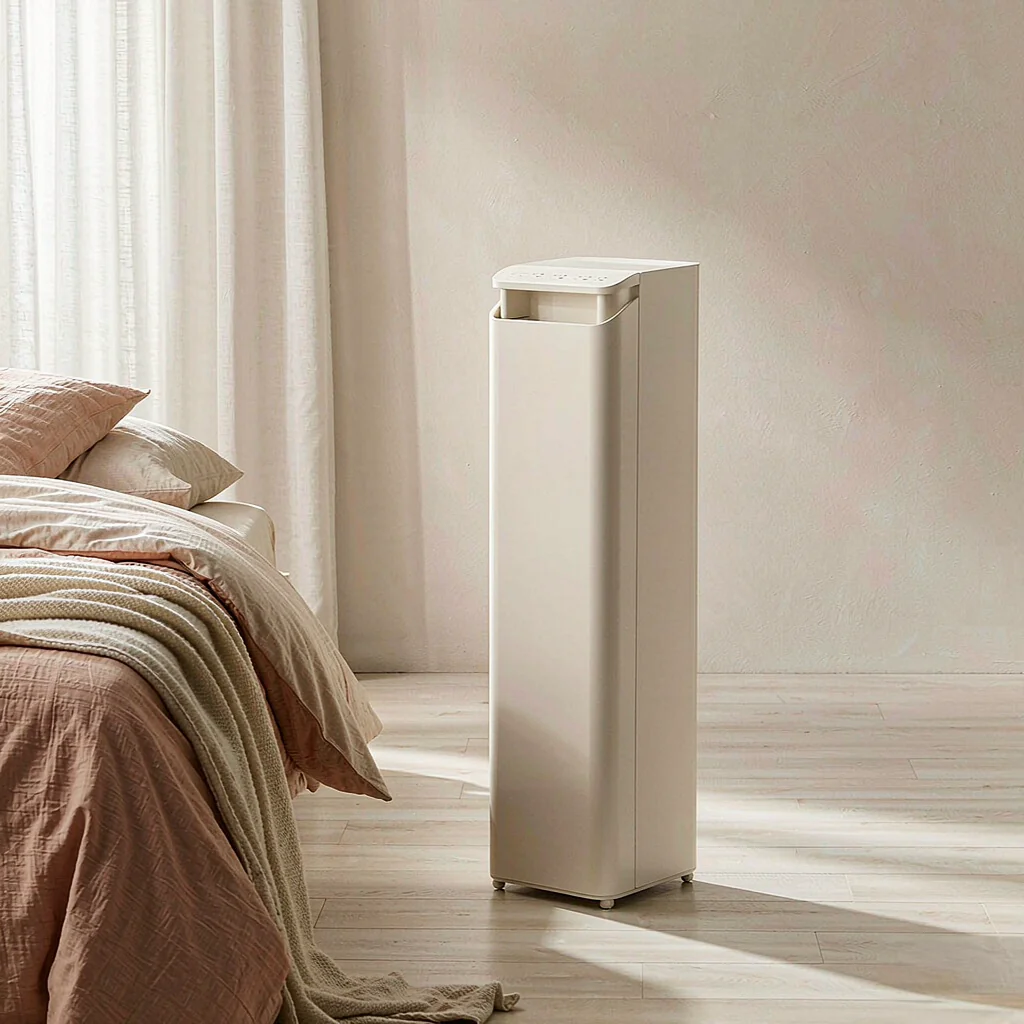
Electric heater vs heated throw: which fits your range?
These categories answer different comfort needs. The strongest seasonal assortment may include both—as long as each has a clear role and an honest product story.
Start with the customer occasion
A portable electric heater warms the surrounding air in a defined space. A heated throw provides direct personal warmth through a textile. A customer looking to take the chill from a home office may consider either; a customer wanting broader room comfort will usually shop heaters first.
Portable heaters: room-oriented comfort
- Merchandise by format, controls, heat settings and intended space.
- Explain thermostat, timer and oscillation functions in plain language.
- Make rated power, electrical requirements and safety instructions easy to find.
- Use accurate noise information only where a defined test supports it.
Heated throws: close personal comfort
- Merchandise by size, textile, hand-feel, color and controller design.
- Explain heat levels, timer behavior, care instructions and detachable parts.
- Show the throw in real sofa, desk or bedtime routines.
- State the exact rated input rather than promising an unverified bill saving.
Compare the merchandising workload
Heater content usually needs more explanation of controls, room use and electrical specifications. Heated textiles rely more on material presentation, size photography and care guidance. Both require accurate rating labels, market-appropriate instructions and substantiated claims.
Can the two categories work together?
Yes. A focused “warm evenings” collection can offer a heater for shared or room-oriented use and a throw for individual comfort. Keep the categories distinct in navigation and buying guides so visitors can self-select without confusing one product’s performance with the other.
A practical assortment approach
- Choose one clearly differentiated heater format and one textile construction.
- Define a good/better feature step rather than duplicating near-identical SKUs.
- Build landing pages around use cases and link to the relevant product specifications.
- Review return reasons and customer questions before expanding the range.
The goal is not to claim one category is always cheaper or better. It is to make the intended use and verified specifications clear enough for the customer to choose.